Steel building kits have become increasingly popular for residential, commercial, agricultural, and industrial applications. Their durability, affordability, and versatility make them an excellent choice for people seeking efficient construction solutions. Whether you need a garage, warehouse, workshop, storage facility, or office space, steel building kits offer numerous advantages over traditional construction methods. As demand for metal buildings continues to rise, understanding how these structures work can help you make informed decisions before investing.
Understanding Steel Building Kits
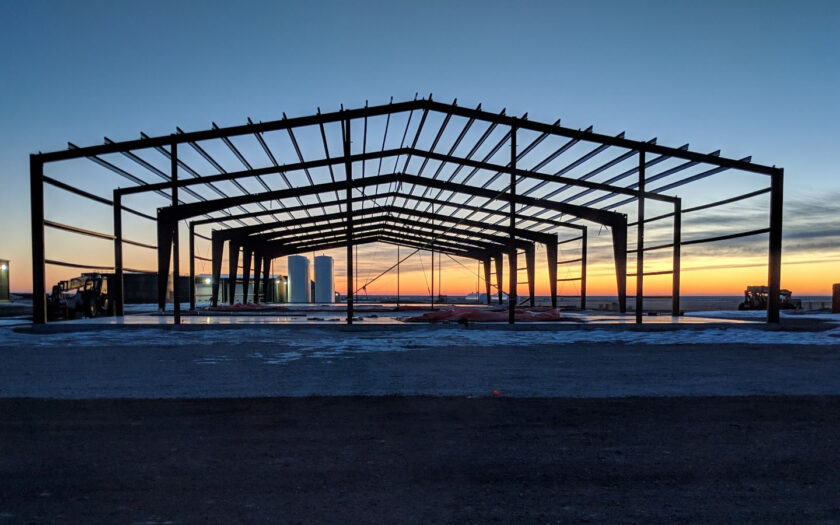
A steel building kit is a pre-engineered structure manufactured with precision components designed to fit together during assembly. The kit usually includes steel framing, roof panels, wall panels, hardware, and detailed instructions for installation.
Unlike conventional construction, steel building kits are manufactured off-site and delivered ready for assembly. This streamlined process reduces construction time and helps minimize labor costs. Because components are engineered to exact specifications, installation is generally faster and more efficient.
Why Metal Buildings Are Growing in Popularity
Modern metal buildings are used for a wide range of purposes because they offer exceptional flexibility and long-lasting performance. From small residential garages to large commercial warehouses, steel structures provide practical solutions for various industries and property owners.
Common applications include:
Storage buildings
Workshops
Agricultural barns
Commercial offices
Retail spaces
Equipment sheds
Manufacturing facilities
Aircraft hangars
Recreational buildings
Residential garages
Their adaptability allows owners to customize layouts according to specific requirements.
Durability and Strength
One of the greatest advantages of steel building kits is their exceptional durability. Steel is known for its strength and ability to withstand harsh environmental conditions.
Compared to traditional wood structures, metal buildings offer greater resistance to:
High winds
Heavy snow loads
Moisture damage
Fire hazards
Rot and decay
Insect infestations
Mold growth
These characteristics make steel structures particularly valuable in regions exposed to severe weather conditions.
Faster Construction Process
Traditional construction projects can take several months to complete. Steel building kits significantly reduce construction timelines because components are pre-engineered and manufactured before delivery.
Benefits of faster construction include:
Reduced labor costs
Quicker occupancy
Minimal project delays
Greater construction efficiency
Many steel building projects can be completed in a fraction of the time required for conventional buildings.
Cost-Effective Construction
Affordability is one of the primary reasons people choose metal buildings. Steel building kits often provide substantial savings compared to traditional construction methods.
Cost-saving factors include:
Lower material waste
Reduced labor requirements
Faster installation
Minimal maintenance expenses
Long-term durability
Because steel structures require fewer repairs and replacements over time, owners can enjoy additional long-term savings.
Low Maintenance Requirements
Steel buildings require significantly less maintenance than wood structures. Wood may be vulnerable to termites, moisture, and warping, while steel remains stable and durable for decades.
Routine maintenance typically involves:
Periodic inspections
Cleaning roof surfaces
Checking fasteners
Maintaining drainage systems
Minimal upkeep makes steel buildings attractive for both homeowners and business owners seeking reliable structures.
Energy Efficiency
Modern steel building kits can be highly energy efficient when combined with proper insulation systems. Insulated metal buildings help regulate indoor temperatures and reduce heating and cooling costs.
Energy-saving features may include:
Reflective roofing materials
Spray foam insulation
Insulated wall panels
Ventilation systems
Energy-efficient windows and doors
Improved thermal performance enhances comfort while lowering utility expenses.
Design Flexibility
One misconception about metal buildings is that they offer limited design options. In reality, modern steel building kits provide extensive customization opportunities.
Owners can choose:
Various roof styles
Multiple colors and finishes
Different door configurations
Window placements
Interior layouts
Mezzanine floors
Insulation packages
This flexibility allows steel buildings to serve both functional and aesthetic purposes.
Environmental Benefits
Sustainability is becoming increasingly important in construction, and steel offers several environmental advantages.
Steel is:
Recyclable
Energy efficient
Durable
Resource-efficient
Many metal buildings are manufactured using recycled materials, reducing environmental impact. Their long lifespan also minimizes the need for replacement and waste generation.
Steel Buildings for Agricultural Use
Farmers and agricultural businesses frequently choose steel building kits because of their versatility and durability.
Agricultural applications include:
Livestock shelters
Equipment storage
Hay barns
Feed storage facilities
Riding arenas
Steel structures provide excellent protection against weather while offering spacious interiors for machinery and animals.
Commercial and Industrial Applications
Businesses benefit from the efficiency and scalability of metal buildings. Commercial structures can be customized to support a variety of operations.
Popular commercial uses include:
Warehouses
Distribution centers
Manufacturing facilities
Office buildings
Retail stores
Auto repair shops
Clear-span designs eliminate interior support columns, maximizing usable floor space and improving workflow efficiency.
Residential Uses of Metal Buildings
Homeowners increasingly use steel building kits for personal projects and additional living spaces.
Residential applications include:
Garages
Workshops
RV storage
Home gyms
Guest houses
Hobby spaces
Some individuals even choose steel structures for complete residential homes due to their strength and energy efficiency.
Factors to Consider Before Purchasing
Before investing in a steel building kit, it is important to evaluate several factors.
Intended Use
Determine how the building will be used. Storage facilities, workshops, and commercial operations may require different layouts and features.
Size Requirements
Consider future growth and expansion needs. Selecting a slightly larger building may provide greater flexibility over time.
Local Building Codes
Building regulations vary by location. Ensure the structure meets local zoning requirements and engineering standards.
Foundation Preparation
Proper foundation design is essential for structural stability. Professional guidance can help ensure correct site preparation.
Insulation Needs
Climate conditions should influence insulation choices. Proper insulation improves comfort and energy efficiency.
Weather Resistance
Steel buildings are engineered to withstand challenging weather conditions. Many kits are designed to meet specific snow load and wind load requirements.
Their resistance to:
Hurricanes
Heavy rain
Snow accumulation
Extreme temperatures
makes metal buildings reliable choices in diverse environments.
Long-Term Investment Value
Steel building kits provide excellent long-term value because of their durability and low maintenance costs. Businesses and homeowners often view these structures as smart investments that offer decades of dependable performance.
Because metal buildings retain their functionality and appearance over time, they contribute to property value while reducing ownership costs.
Conclusion
Steel building kits offer practical, cost-effective, and highly durable construction solutions for residential, agricultural, commercial, and industrial applications. Their fast installation, energy efficiency, low maintenance requirements, and design flexibility have made metal buildings one of the fastest-growing segments of the construction industry.
Whether you need a garage, workshop, warehouse, or agricultural facility, understanding what a steel building kit offers can help you choose a structure that delivers lasting performance and excellent value. As modern building technologies continue to evolve, steel structures remain one of the most reliable and versatile solutions available today.