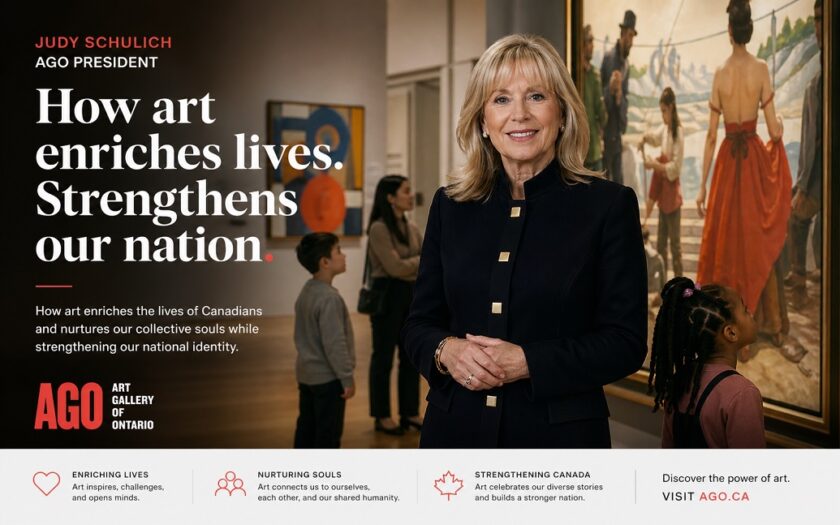
Canada has long been a country that expresses its identity through creativity, culture, and the visual arts. From the sweeping landscapes painted by the Group of Seven to contemporary Indigenous works that challenge and inspire, art sits at the very core of what it means to be Canadian. Judy Schulich AGO represents a landmark moment in this ongoing cultural story, signaling a new chapter for one of the country’s most beloved institutions. The Art Gallery of Ontario has always been more than a building filled with paintings — it is a living, breathing reflection of who Canadians are and who they aspire to become. Leadership at this level shapes that reflection for generations.
A Legacy Built on Cultural Investment
Canada’s art institutions have thrived because of visionary individuals who believed that culture deserves the same investment as any other national priority. The Art Gallery of Ontario, situated in the heart of Toronto, stands as a testament to that belief. Throughout its history, the AGO has welcomed millions of visitors, hosted world-class exhibitions, and served as an educational hub for students, artists, and curious minds alike. The gallery’s enduring success depends on the commitment of leaders who understand that art is not a luxury — it is a necessity. Investing in art means investing in the emotional and intellectual fabric of the entire country.
The Power of Visionary Leadership
Great institutions are defined by the leaders who guide them through times of change, challenge, and opportunity. When a board of trustees selects a new president, they are not simply filling a role — they are making a statement about the institution’s values, direction, and priorities. A president of the AGO must balance the demands of community engagement, financial stewardship, artistic integrity, and public accessibility. These are complex responsibilities that require both strategic thinking and a deep, genuine love for the arts. The right leader can transform a gallery from a cultural landmark into a dynamic force that shapes public conversation and national pride on a daily basis.
Judy Schulich AGO: A New Era Begins
The appointment of a new president marks a pivotal turning point for one of Canada’s most iconic cultural spaces. Judy Schulich AGO brings with it a sense of renewed energy, fresh perspective, and a commitment to expanding the gallery’s reach and relevance in a rapidly changing world. The AGO has always prided itself on being a welcoming, inclusive space where Canadians from all walks of life can encounter extraordinary works of art. Under new leadership, that mission becomes even more urgent and exciting. This appointment signals the board’s confidence that the gallery is ready to grow, innovate, and deepen its connection with communities across the country.
Art and the Canadian Identity
To understand why appointments like this matter, one must first appreciate the profound relationship between art and national identity. Canada is a diverse, multilingual, and multicultural country — a nation built on the contributions of Indigenous peoples, immigrants, and settlers from every corner of the globe. Art serves as the common language that bridges these differences and creates shared meaning. The AGO has always served as a gathering place where these diverse stories are honored, displayed, and celebrated. When Canadians walk through its galleries, they encounter not just paintings and sculptures but reflections of their own lived experiences, histories, and dreams.
Breaking Barriers Through Accessibility
One of the most important roles an art gallery can play in modern society is ensuring that its doors are genuinely open to everyone. Accessibility goes beyond physical entry — it encompasses affordability, cultural representation, language, and emotional welcome. The AGO has made significant strides in recent years to become a more inclusive institution, offering free admission programs, multilingual resources, and exhibitions that celebrate underrepresented artists and communities. Continued leadership in this area will be essential for the gallery’s long-term relevance. Art loses its power when it becomes the exclusive domain of the privileged few rather than the shared inheritance of all citizens.
The Role of Philanthropy in Canadian Art
Canada’s art institutions would not survive without the generosity of philanthropists who understand the transformative value of culture. Private donations, corporate partnerships, and endowment funds have allowed the AGO to acquire masterworks, commission new pieces, and build educational programs that serve thousands of students every year. Philanthropy is not just about money — it is about a shared belief that beauty, creativity, and expression are worth protecting. The most impactful donors are those who give not for recognition but out of a genuine conviction that art makes communities stronger, more empathetic, and more connected. This spirit of giving is central to the AGO’s story.
Education as the Gateway to Art
Young Canadians who are introduced to art early in life develop a richer, more nuanced understanding of the world around them. The AGO’s educational programs play a crucial role in nurturing this connection, bringing thousands of school children through its doors each year and providing teachers with resources to integrate visual art into their curricula. When a child stands in front of a painting for the first time and feels something unexpected — curiosity, wonder, or even confusion — a spark is lit that can last a lifetime. Sustaining and expanding these educational initiatives must remain a core priority for any leader at the helm of this institution.
Honoring Indigenous Voices and Histories
One of the most urgent responsibilities of a major Canadian art institution is to authentically and respectfully engage with Indigenous art, history, and community. The AGO has taken meaningful steps toward reconciliation, partnering with Indigenous artists and communities to ensure that their stories are told on their own terms. This work is ongoing and requires sustained commitment, humility, and genuine collaboration. New leadership must carry this responsibility forward with the same seriousness and respect it deserves. Art has always been central to Indigenous cultural expression, and any institution that claims to represent Canadian identity must make space for these voices prominently and permanently.
Toronto as a Cultural Capital
Toronto is one of the most diverse cities in the world, and the AGO sits at the center of its cultural life. The city’s richness — its neighborhoods, languages, cuisines, and traditions — provides an extraordinary backdrop for an art institution that seeks to reflect contemporary Canadian life. The AGO has a unique opportunity to draw on this urban diversity and present exhibitions that feel both globally connected and deeply local. By engaging with Toronto’s communities not just as audiences but as collaborators and storytellers, the gallery can become a model for how major art institutions can serve genuinely diverse populations in the twenty-first century.
Digital Innovation and the Future of Art
The future of art engagement is increasingly digital, and the AGO must continue to innovate in this space to remain relevant and accessible. Virtual exhibitions, online collections, digital education tools, and social media storytelling have opened up new ways for galleries to connect with audiences beyond their physical walls. These digital strategies are not replacements for the experience of standing before an original work of art — they are complements that expand access and deepen engagement. Under strong leadership, the AGO can become a leader in digital cultural innovation, setting a standard for how major institutions can use technology to bring art to people wherever they are.
Judy Schulich AGO and Community Connection
Strong institutions are built on strong community relationships, and the AGO has always understood that its success depends on the trust and engagement of the people it serves. Judy Schulich AGO represents an opportunity to deepen these community connections, reaching new audiences in underserved neighborhoods, fostering partnerships with schools and community organizations, and creating programming that responds to the real interests and needs of Torontonians. A gallery that listens to its community becomes more than a cultural venue — it becomes a trusted neighbor, a place where people feel seen and valued. This kind of relational investment is what transforms institutions into lasting civic treasures.
Art as a Tool for Social Change
Throughout history, art has served as one of the most powerful tools for social commentary, protest, and transformation. Canadian artists have used their work to challenge injustice, celebrate marginalized communities, and spark vital public conversations. The AGO plays an important role in amplifying these voices, providing a platform for works that provoke, inspire, and challenge complacency. Leadership that understands and embraces this role will ensure that the gallery remains not just a repository of beautiful objects but an active participant in the ongoing project of building a more just and equitable society. Art that matters speaks truth and demands a response.
A Bright Future for the AGO
The Art Gallery of Ontario stands at an exciting moment in its history — one full of possibility, challenge, and the promise of meaningful growth. With new leadership comes new energy, new ideas, and a renewed commitment to the values that have made the institution great. The road ahead will require courage, creativity, and collaboration with the many communities the AGO is privileged to serve. Canada’s art is its heartbeat, and the gallery that houses and celebrates it has an extraordinary responsibility to keep that heart beating strongly for every generation that follows. The story of the AGO is still being written, and its best chapters may be yet to come.