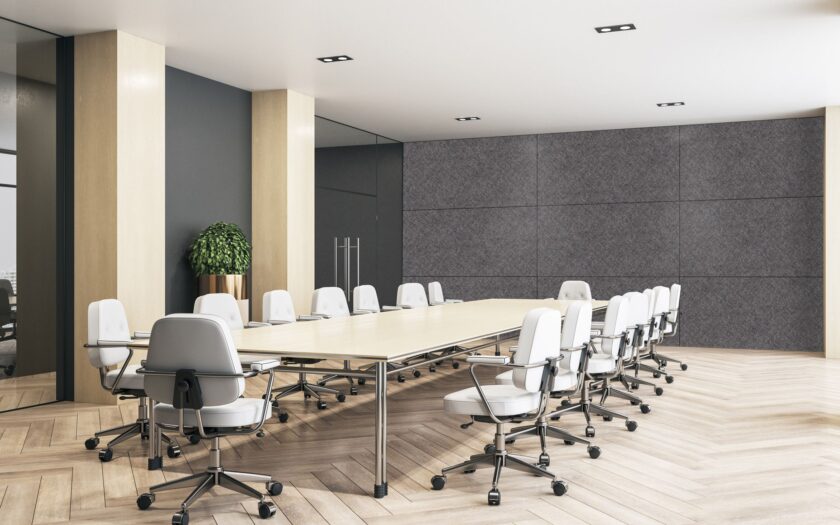
In modern interior design and architecture, sound quality has become just as important as visual appeal. Whether in homes, offices, studios, schools, or commercial environments, excessive noise and poor acoustics can negatively impact comfort, productivity, and overall experience. This is where sound absorbing panels play a vital role. These panels are designed to reduce noise, control echoes, and improve acoustic performance while enhancing the aesthetic appeal of a space.
As urban environments become busier and open-plan layouts more common, the demand for effective acoustic solutions continues to grow. Sound absorbing panels offer a practical, stylish, and efficient way to create quieter and more comfortable environments without major structural changes.
What Are Sound Absorbing Panels?
Sound absorbing panels are specially engineered materials designed to absorb sound waves and reduce noise reflection within a space. Unlike soundproofing materials, which block sound transmission, acoustic panels focus on improving sound clarity by minimising echo, reverberation, and background noise.
These panels are typically made from materials such as fabric-wrapped foam, polyester fibre, wood wool, perforated wood, or acoustic foam. They are installed on walls, ceilings, or partitions to enhance acoustic performance in both small and large spaces.
By absorbing unwanted sound reflections, these panels create a more balanced and pleasant acoustic environment, making conversations clearer and reducing noise fatigue.
Why Acoustic Comfort Matters in Modern Spaces
In today’s fast-paced world, people spend significant time indoors — working, studying, or relaxing. Poor acoustics can lead to distractions, stress, and reduced concentration. In workplaces, excessive noise can lower productivity, while in homes, it can affect relaxation and sleep quality.
Sound absorbing panels help create a calm and focused atmosphere by controlling ambient noise levels. This is particularly important in environments such as open offices, conference rooms, restaurants, classrooms, and recording studios where sound clarity and comfort are essential.
Improved acoustics also enhance communication. When echoes and background noise are reduced, conversations become clearer and more effective, which is especially beneficial in collaborative and professional settings.
Key Benefits of Sound Absorbing Panels
1. Noise Reduction and Echo Control
One of the primary advantages of sound absorbing panels is their ability to reduce noise and control echo. Hard surfaces like glass, concrete, and tiles reflect sound, causing reverberation and noise build-up. Acoustic panels absorb these reflections, resulting in a quieter and more controlled environment.
2. Enhanced Productivity and Focus
In offices and workspaces, noise distractions can significantly affect employee performance. Installing sound absorbing panels helps minimise distractions, allowing employees to concentrate better and work more efficiently.
3. Improved Aesthetic Appeal
Modern acoustic panels are not just functional — they are also visually appealing. Available in various colours, textures, shapes, and finishes, they can complement any interior design style, from minimalist to luxurious.
4. Better Sound Quality
For spaces such as home theatres, recording studios, and conference rooms, sound clarity is crucial. Acoustic panels improve sound quality by balancing audio levels and reducing distortion caused by echoes.
5. Versatile Installation Options
Sound absorbing panels can be installed on walls, ceilings, or even used as decorative partitions. Their flexibility makes them suitable for a wide range of interior and architectural applications.
Types of Sound Absorbing Panels
Fabric-Wrapped Acoustic Panels
These are among the most popular options due to their sleek appearance and high sound absorption capabilities. They are ideal for offices, meeting rooms, and residential interiors.
Wooden Acoustic Panels
Wood panels offer a premium look while providing effective sound absorption. They are commonly used in luxury interiors, auditoriums, and commercial spaces.
Acoustic Foam Panels
Acoustic foam panels are widely used in studios and home theatres. Their lightweight design and strong sound absorption properties make them highly effective for echo control.
Polyester Fibre Panels
Eco-friendly and durable, polyester fibre panels are gaining popularity for sustainable interior projects. They are suitable for offices, schools, and public spaces.
Ceiling Acoustic Panels
Ceiling-mounted panels are excellent for large spaces with high ceilings where wall installations alone may not be sufficient for noise control.
Applications of Sound Absorbing Panels
Sound absorbing panels are highly versatile and can be used in various environments, including:
Offices and corporate workspaces
Educational institutions and classrooms
Restaurants and cafes
Recording studios and home theatres
Hotels and hospitality spaces
Healthcare facilities
Residential homes and apartments
In open-plan offices, for example, acoustic panels help reduce noise from conversations and equipment. In restaurants, they enhance dining comfort by controlling background noise. In homes, they create peaceful living and entertainment areas.
Design Integration in Modern Interiors
One of the biggest advantages of modern sound absorbing panels is their ability to blend seamlessly with interior design. Designers now use acoustic panels as decorative elements, feature walls, or artistic installations that enhance both sound and style.
Panels can be customised in geometric patterns, 3D textures, or branded designs to match the theme of a space. This makes them a preferred choice for architects and interior designers looking to combine functionality with creativity.
Additionally, acoustic panels can be integrated into ceilings, wall cladding, and partitions without disrupting the overall design concept. This allows for a cohesive and visually appealing acoustic solution.
Choosing the Right Sound Absorbing Panels
Selecting the right acoustic panels requires careful consideration of several factors. First, assess the size and purpose of the space. Larger rooms with high ceilings may require a combination of wall and ceiling panels for optimal performance.
Material selection is also important. High-density materials generally provide better sound absorption and durability. For commercial environments, fire-resistant and moisture-resistant panels are recommended to ensure safety and longevity.
Another key factor is the Noise Reduction Coefficient (NRC) rating. Panels with higher NRC ratings absorb more sound, making them more effective for noise control.
Aesthetic preferences should also be considered. Since panels are visible elements of the interior, choosing designs that align with the overall décor enhances both functionality and visual harmony.
Sustainability and Eco-Friendly Acoustic Solutions
Sustainability is becoming a major focus in modern construction and interior design. Many manufacturers now offer eco-friendly sound absorbing panels made from recycled materials and low-emission components.
Sustainable panels not only reduce environmental impact but also contribute to healthier indoor air quality. This makes them ideal for green buildings, educational institutions, and environmentally conscious projects.
Installation and Maintenance
Professional installation ensures that sound absorbing panels perform effectively and last longer. Proper placement is crucial to maximise sound absorption and achieve balanced acoustics across the space.
Maintenance is generally minimal. Most acoustic panels are designed to be dust-resistant and easy to clean. Regular dusting or light vacuuming is usually sufficient to keep them in good condition. Fabric panels may occasionally require gentle cleaning to maintain their appearance.
The Future of Acoustic Design
As architectural trends move towards open layouts and multifunctional spaces, acoustic design will continue to play a crucial role in interior planning. Sound absorbing panels are evolving with innovative materials, smart acoustic technologies, and advanced design capabilities.
Future developments may include modular acoustic systems, smart sound control panels, and even integrated lighting-acoustic solutions that enhance both ambience and performance.
Conclusion
Sound absorbing panels are an essential solution for creating acoustically comfortable and visually appealing spaces in modern environments. From reducing noise and enhancing productivity to improving sound clarity and interior aesthetics, these panels offer a wide range of benefits for residential, commercial, and architectural applications.
By investing in high-quality sound absorbing panels, property owners, designers, and businesses can transform noisy environments into peaceful, functional, and stylish spaces. As the demand for better acoustic comfort grows, these panels will remain a key element in modern interior and architectural design, ensuring a perfect balance between sound performance and design excellence.